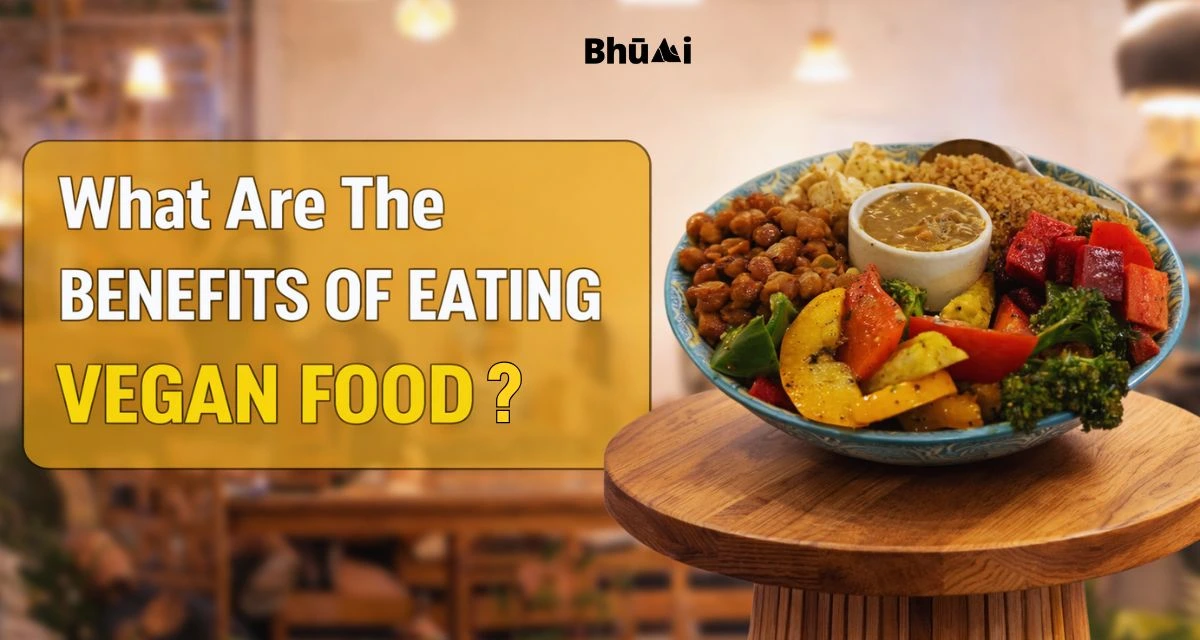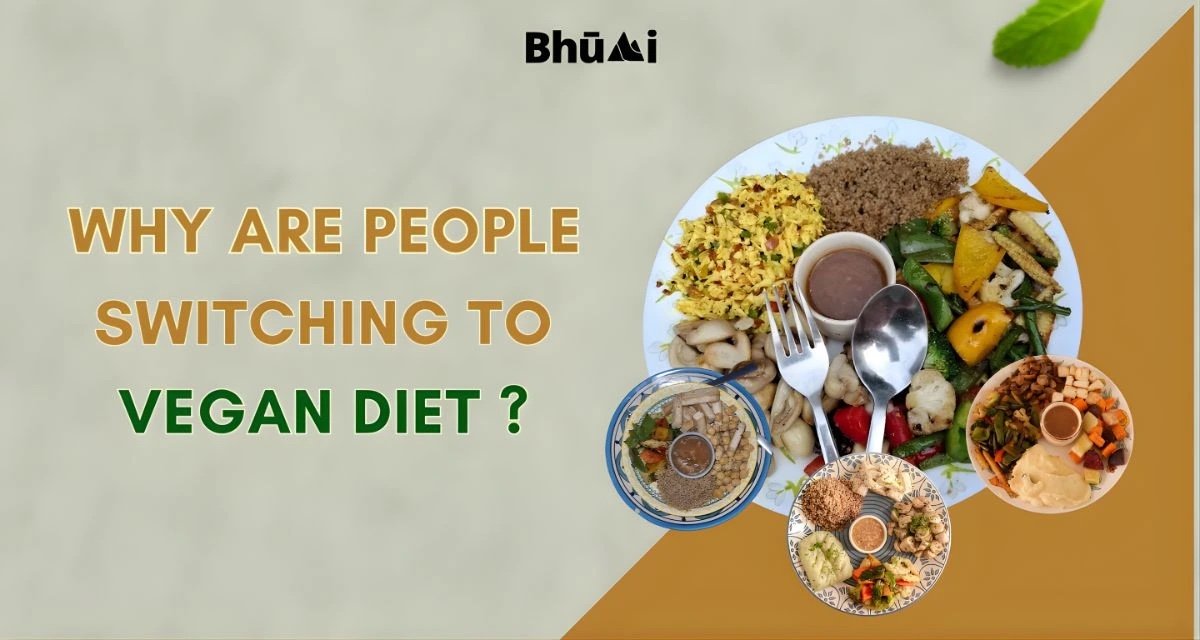
Over the past years, an increasing number of individuals have opted to become vegans. Many have done this to enhance their health, while others want to save animals or limit their effects on the environment. A vegan diet is plant-based in nature, which includes fruits, vegetables, grains, nuts, and seeds, and excludes all animal products. A lot of individuals believe that this type of lifestyle makes them feel less heavy, more energetic, and conscious about their food intake. Awareness towards health and sustainability is why many are switching, showing why people switch to a vegan diet and live a quality life.
What Is a Vegan Diet?
A vegan diet is a food system that only consumes plant-based food and does not include animal-based food such as meat, milk, eggs, or honey. It is a voluntary choice of lifestyle by many due to health, ethical, or environmental considerations, which explains why people switch to a vegan diet.
Top Reasons Why People Are Going Vegan
Here are some of the reasons why people are looking for a vegan diet.
1. Health Benefits
Veganism is becoming the choice of people in order to enhance their health. Plant based diet is capable of lowering the chances of heart disease, diabetes, and high cholesterol, besides increasing energy levels, digestion, and immunity. The lighter and healthier, the better; this is an incentive to change.
2. Environmental Impact
Veganism prevents environmental degradation. Consumption of plants rather than animal products lowers the emission of greenhouse gases, saves water, and reduces deforestation. A vegan lifestyle is easy but effective since it helps environmentally-conscious people make a cheap but significant contribution to their planet.
3. Animal Welfare & Ethics
A lot of people convert to veganism as a way of protesting against inhuman treatment of animals. This is for the moral aspect of avoiding meat, dairy, and other animal products. This helps in the ethical treatment of animals and helps minimize exploitation as a sign of compassion and conscious living
4. Weight Management
A vegan diet can simplify the process of staying thin. Plant-based foods tend to be naturally lower in calories, fat-rich, and full of nutrients, therefore allowing people to get full and satisfied without being overindulgent.
5. Media-based Awareness and Research
Due to documentaries, social media, and scientific studies that illustrate health, ethical, and environmental advantages, more individuals are enlightened on veganism.
Health Benefits of a Vegan Diet
Here are some of the health benefits of a vegan diet mentioned below.
- Heart Health: Lowers the risk of heart disease and decreases cholesterol.
- Weight Control: Natural weight management.
- Improved Digestion: High fibre foods are beneficial for gut health.
- Improved Digestion: High fibre foods are beneficial for gut health.
- Reduced Risk of Diseases: Can decrease the possibility of diabetes and cancer.
- Greater Energy: Plant food contains the necessary nutrients to be energetic.
- Greater Immunity: Vitamins, minerals, and antioxidants enhance the immune system.
- Healthy Skin and Hair: Healthy foods make the skin and hair healthier.
Are There Any Risks of Going Vegan?
Yes, a vegan diet has numerous advantages, but there can be certain risks if it is not planned properly.
- Nutrient Deficiencies: Vitamin B12, iron, calcium, omega-3s, and protein deficiencies can be experienced.
- Energy Levels: Lack of calories or protein can make one feel tired or weak.
- Digestive Problems: Fibre may cause some sudden bloating or gaseousness.
- Bone Health: The low intake of calcium and vitamin D can influence bone strength.
- Supplement Dependence: There are certain nutrients, such as B12, that may require supplements in order to be healthy.
Common Myths About Vegan Diets
Here are some of the common myths regarding a vegan diet are mentioned below.
Myth 1: Vegans Lack Necessary Protein
It is believed that a plant-based diet is deficient in protein. As a matter of fact, beans, lentils, tofu, nuts, and seeds, as well as whole grains, are rich sources of protein to satisfy the daily requirements. Vegans are able to gain muscle as well as remain strong compared to non-vegans.
Myth 2: A vegan diet is expensive
Some think that being a vegan is very expensive. In fact, rice, beans, vegetables, and fruits in season are affordable. Being a vegetarian can be cheap, environmentally friendly, and healthy.
Myth 3: Vegan Food Is Boring
The perception that vegan food is uninteresting is not true at all. Plant-based eating is colourful, delicious, and exciting, and there are endless recipes, spices, and cuisines of the world that are totally based on plants.
What Nutrients Should You Watch on a Vegan Diet?
Here are some of the nutrients that you should look for in a vegan diet.
- Vitamin B12: Nerve and blood cofactor; normally found in animal products, so look at enriched foodstuffs or supplements.
- Iron: This is essential for energy and the state of the blood; found in beans, lentils, spinach, and whole grains.
- Calcium: Strengthens the bones and teeth; the sources of it are fortified plant milk, tofu, and leafy greens.
- Omega-3 Fatty Acid: Benefits the heart and brain; is available in flaxseeds, chia seeds, and walnuts.
- Protein: Necessary for the functioning of the muscles and the whole body; sources include beans, lentils, nuts, seeds, and soy.
Also Read: Best Vegan Café in Rishikesh: A Hidden Gem in Tapovan
How to Transition to a Vegan Diet Successfully
It does not take much to switch to a vegan diet. Begin with a slow transition of animal products to plant-based products. Balanced meals should have protein, iron, and calcium. Try new recipes, stay hydrated, and think about supplements that are required. Patience and consistency make the switch healthy and enjoyable, making it perfect for anyone starting out on a vegan diet for beginners.
What is the difference between a plant-based and a vegan diet?
Here is a difference between a plant-based and a vegan diet mentioned below.
| Vegan diet | Plant-based diet |
|---|---|
| A dietary practise that does not consume any animal products, including meat, dairy, eggs, and in many cases, the same applies to clothing or any other products. It pays attention to food preferences, environmental issues, and animal welfare as well as ethics. | It is more concerned with the consumption of foods of plant origin, including fruits, vegetables, grains, nuts, and seeds. It sometimes contains little traces of animal products. Health and nutrition are the primary objectives and not morality or lifestyle decisions. |
Conclusion!
The motivation behind people going vegan is multifold. Some do so to gain better health and weight control, but others do so to save animals and the environment.
Veganism promotes healthy meals that enhance energy, digestion, and health. It is also an indication of a conscious lifestyle, which fosters compassion and
sustainability.
As knowledge about veganism has grown due to media, research, and community impact, more people are considering it as a viable option in their lifestyle that
is both utilitarian and morally correct, and a pleasure to live by. A vegan diet can be balanced and fulfilled by remaining mindful of the food and featuring
essential vitamins and minerals, and it will be a good change to both the body and the environment.